Antique Military Medals: Identification, History, and Value
Antique military medals are more than just old trinkets. They can record important moments in history, recognize acts of bravery, or show that someone served in a major conflict. If you’ve inherited medals, found one in a family box, or are starting to collect military memorabilia, you might be curious about its history and value.
Identifying an antique military medal can be tricky. Different countries, military branches, award systems, and historical periods each have their own designs and markings. It’s easy to overlook an interesting piece or feel unsure about what collectors are looking for.
The good news is that learning some basic identification and valuation tips can help you make better decisions. Here’s what to look for when examining antique military medals.
What are Antique Military Medals?
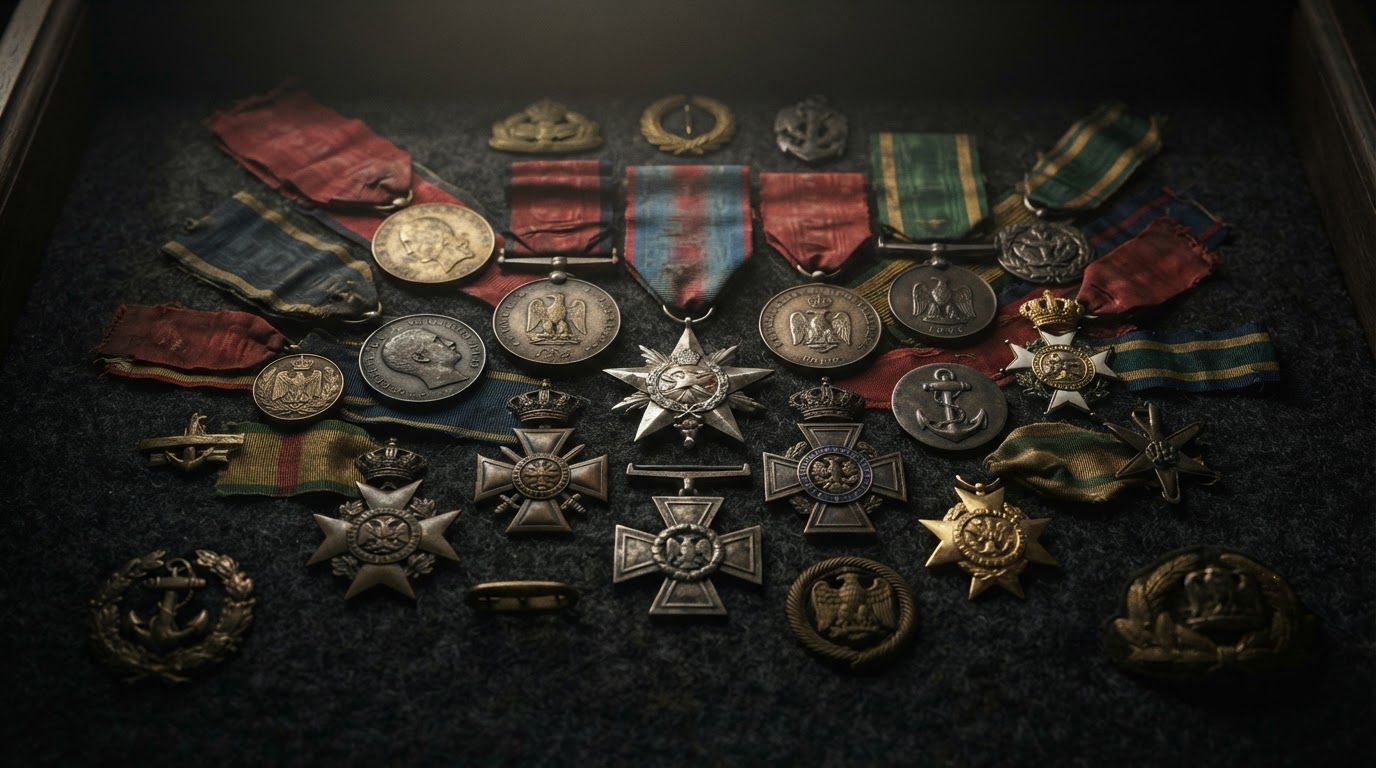
Antique military medals are historical awards and decorations that are given to members of the armed forces for service, for bravery, for taking part in campaigns, and so on. They can be from major wars, major campaigns, and various periods of national history.
Some were awarded to individuals for distinguished service for participation in a particular war or campaign. There are also a number of commemorative medals, service decorations and older military awards which may be of interest to the collector.
Their history, design, and association with specific events make them very attractive to collectors and those interested in military history.
How to Identify Antique Military Medals
Before you try to figure out a medal’s value, it’s important to know exactly what you have. Even small details can tell you a lot about its origin and history.
1. Examine the Design and Inscription
Start by examining the obverse and reverse of the medal. Look at the portraits, the national emblems, theStart by looking at both sides of the medal. Check for portraits, national emblems, military insignia, dates, lettering, and any decorative details.r the year of issue. Even small inscriptions can be of assistance in establishing the country of origin.
2. Check the Ribbon and Materials
The ribbon can offer important clues for identification. Different awards often have unique ribbon colors and patterns linked to certain countries or military honors.
Also check the medal’s material, weight, and how it was made. Some medals are made from silver, bronze, or other metals. But the material alone doesn’t decide if a medal is rare or valuable.
3. Look for Maker’s Marks and Serial Numbers
Some antique military medals have the maker’s mark, issue number, and/or the recipient’s details engraved on them. These details can help you find out where and when the medal was made and given out. Specialist references. Don’t assume every number or marking you come across will add to the value.
What determines the value of old military medals?
Collectors and sellers often ask, ‘How much is an old military medal worth?’ The answer depends on several factors, and age is just one of them.
Rarity and Historical Significance
Medals associated with limited awards, medals given out in small numbers, linked to important military events, or connected to famous historical figures often attract collectors. Medals from well-documented campaigns can also interest people who focus on that time period.
As a major factor in valuation. The collector will look at scratches, corrosion, missing ribbons, damaged suspension rings, and worn inscriptions.
Original ribbons, cases, and documents can add to a medal’s history. Don’t polish or repair a medal before it’s been checked, since changes can lower its appeal to collectors.
Provenance and Authenticity
Provenance is the documented history or ownership of a medal. Award papers, service records, photos, and family information can all help show a medal’s background. Reproductions and later copies are common, so specialist examination may be required to establish whether a medal is genuine.
Rare military medals are worth money. What should you be looking for?
Rare military medals that are valuable often attract a lot of interest because they are hard to find, have historical importance, or are linked to a specific person.
Collectors may be looking for early campaign medals, rare military decorations, medals relating to major conflicts, and awards with a documented history.
A medal doesn’t become valuable on its own. A medal isn’t valuable just because it’s old or looks unusual. You should research the award’s criteria, how it was made, how many still exist, and recent sales of similar medals. A specialist can help you find out if collectors are interested in your medal.
If you’ve got any medals that you noIf you have medals you don’t want to keep, finding the right buyer is important. There are several ways to sell your antique military medals. Specialist Buyers
Specialist buyers know about military memorabilia and the different medals, decorations, and time periods. You can usually start by sending clear photos and some basic details about your items.
Explore Military Collectors and Dealers
Experienced collectors and established militaria dealers may be interested in certain medals or whole collections. Make sure to check their reputation and experience before agreeing to a sale.
Consider Specialist Auctions
If you have rare medals or a collection with real historical importance, a specialist auction house could be another option. Ask about their commission, estimated selling price, insurance, and auction schedule before moving forward. Whatever you choose, always compare the offers and make sure you fully understand the selling terms before you accept any payment.
Frequently Asked Questions
How can I tell if an antique military medal is genuine?
Examine its design, inscriptions, materials, ribbon, and maker’s marks. Compare these details with reliable references and consult a specialist if authenticity is uncertain.
Are old military medals valuable?
Some are valuable because of their rarity, historical significance, condition, and provenance. Others may have more modest collector value. A professional assessment can provide a better idea of their worth.
Where can I find antique military medals for sale?
You can explore specialist militaria dealers, antique shops, online collectibles marketplaces, and auction houses. Check the seller’s reputation and request clear details about authenticity and condition.
Should I clean antique military medals before selling them?
No. Cleaning or polishing may damage original finishes and reduce collector interest. Keep medals in their current condition and seek professional advice before attempting any restoration.
Conclusion
Antique military medals can be important to collectors and history lovers, but learning about their identity and value takes careful research. Look at their designs, inscriptions, ribbons, condition, and provenance before deciding what to do with them.
Whether you’re keeping a family heirloom, adding to a collection, or planning to sell, take time to learn about the medal’s background. If you want to sell, compare experienced buyers and specialist dealers, ask about their valuation process, and check all terms before accepting an offer.
A little research can help you appreciate your medals’ history and make a more confident decision.
For more details, Contact Antique Militaria Buyers today!