Sell WWII Memorabilia: What You Need To Know Before Selling
- Posted on by admin
Do you have old WWII items stored in an attic, closet, or family collection? Perhaps you inherited a military uniform, medals, photographs, documents, or a helmet from a relative. Now you may be wondering, “Are these items valuable, and where can I sell them?”
If you plan to sell WWII memorabilia, it helps to understand what you have before accepting an offer. Some items may have modest value, while others may attract collector interest because of their rarity, authenticity, condition, or connection to a particular person or military unit.
A little preparation can make the selling process easier and help you avoid overlooking important details.
Why Research Matters Before You Sell WWII Memorabilia
It is a common error to think that all old military items have the same value, even though two helmets, medals, or uniforms may appear similar they can have very different appeal to collectors.
Small details can make a difference. A maker’s mark, unit insignia, unusual design, original paperwork, or documented history can provide important clues about an item’s background.
Some of the items could also be reproductions or ordinary wartime articles. This is the reason why you should identify and carry out some research on your collection before selling your World War II memorabilia.
What kinds of World War II memorabilia can you sell?
WWII memorabilia includes a wide variety of military and historical collectibles.
Common WWII Collectibles
Collectors may be interested in authentic items such as:
- Military uniforms and jackets
- Medals and decorations
- Helmets and field equipment
- Patches and insignia
- Military photographs
- Letters and diaries
- Service documents
- Flags and banners
- Maps and wartime publications
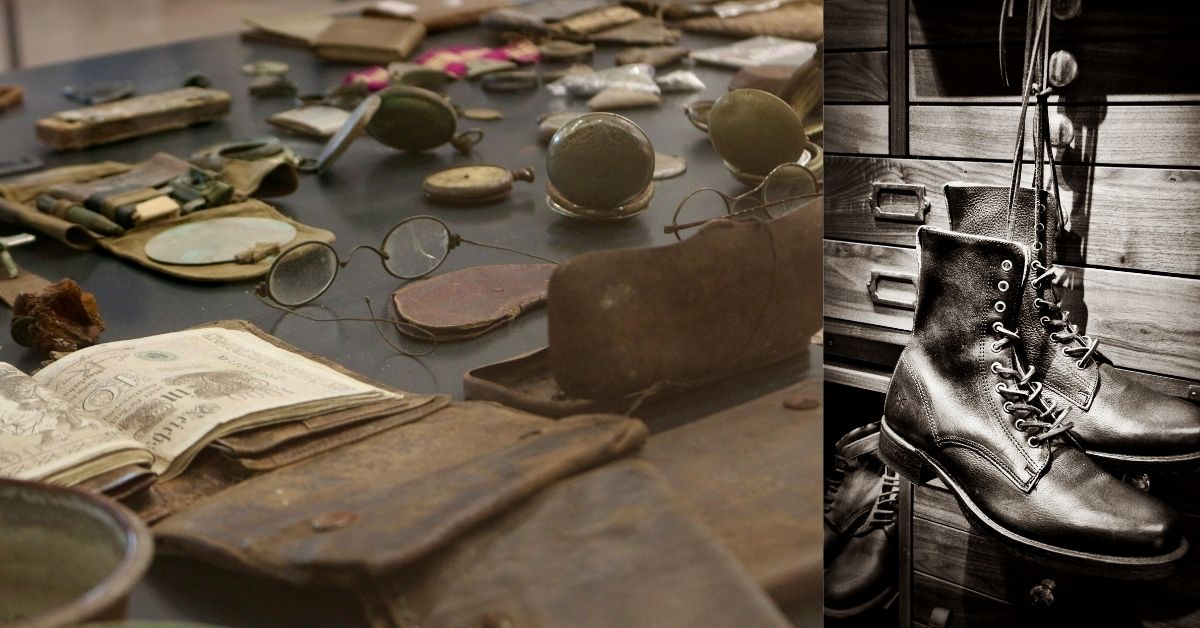
- Personal effects
The history of an item can also offer significant historical background.
Check the Details Before Selling
Before you get in touch with anyone who buys World War II memorabilia, make sure that you thoroughly check each item. Check for any names, dates, details regarding the unit, manufacturer’s marks, numbers, stamps, labels, and inscriptions.
You should not take away the old labels or markings merely because they appear to be worn as they could be of use in determining the item’s origin, age, or authenticity.
Consider the Provenance
Provenance is the recorded history or ownership of an item; for instance, a uniform together with photographs, letters, service records, or other documents which link it to a particular service member can serve as useful evidence regarding its history.
Just because something’s provenance is known doesn’t mean that this will increase the item’s value, but it does help to make the item’s history easier to understand and to verify.
Understand WWII Memorabilia Value
When you’re researching the value of World War II memorabilia, don’t limit yourself to the item’s age, since several factors can affect collector interest.
Rarity
Things that are hard to find tend to draw more attention than ordinary ones.
Condition
Some originally intact items may be desirable, but the usual signs of age and use don’t necessarily mean an item has little value.
Authenticity
Reproductions and later copies can sometimes look similar to original WWII items. Markings, materials, construction, and manufacturer details can help with identification.
Historical Significance
An item’s association with a specific service member, military unit, event, or period can enhance its historical context.
Don’t Clean or Repair Items Too Quickly
Finding an old medal or helmet may make you want to polish or restore it. However, aggressive cleaning, repainting, or repairs can remove original details or change the item’s appearance.
If you don’t have a clear idea of the item’s condition or its possible value, it’s best to leave it as is until it can be properly examined.
Research Prices Carefully
Although online marketplaces can offer useful comparisons it should be remembered that the asking price is not always the final selling price.
If you are researching the value of WWII memorabilia, compare items similar to yours in type, manufacturer, date, condition, markings, authenticity, and provenance.
You get a better starting point by comparing your item with a broad category of WWII collectibles.
Find Experienced WWII Memorabilia Buyers
After you decide which items you want to sell, start looking for buyers interested in WWII memorabilia and experienced in military antiques and historical collectibles.
An experienced buyer can notice things a less experienced seller might miss, such as the item’s condition, markings, construction, authenticity, history, and collector interest.
When you have a number of related items,, it is best to keep them together, since a photograph, letter, medal, or document might offer useful context for another item in your collection.
Consider a WWII Memorabilia Appraisal
A WWII memorabilia appraisal can help you better understand an item before you decide to sell it, especially if it’s unusual, rare, or well documented.
An appraisal can provide more information about an item’s characteristics, authenticity, history, and possible value; this is especially helpful if you inherited a collection and know little about its background.
Preserve Your Family History
If your WWII memorabilia comes from a family member, make a point to gather relevant information about it.
Ask relatives who had the items where they served and how the collection entered the family. Search for photographs, letters, diaries, service records, and other documents.
A simple family story can provide useful background and help preserve the collection’s history.
FAQs About Selling WWII Memorabilia
Where can I sell WWII memorabilia?
For specialized dealers in military antiques, experienced collectors, auction houses, and established buyers who regularly handle World War II items, consider seeking out those with experience in military memorabilia for any rare pieces.
How can I tell whether my World War II memorabilia has value?
The value of WWII memorabilia can be influenced by its rarity, authenticity, condition, provenance, historical importance, and collector demand. Begin by researching the item’s markings and history.
What World War II items are commonly collected?
Uniforms, medals, helmets, patches, insignia, photographs, documents, letters, personal belongings, and other genuine wartime items are among the typical collectible categories.
Do I need to clean WWII memorabilia if I want to sell it?
Be careful, since cleaning, polishing, repainting, or repairing an old object can cause you to lose its original features. If you’re not sure, have a professional look at the item before making any changes.
Do I need to get a WWII memorabilia appraisal before selling?
It isn’t always the case. Nevertheless, an appraisal of World War II memorabilia can help with rare, unusual, or potentially valuable items, especially when their history or authenticity is uncertain.
Does provenance affect the value of WWII memorabilia?
It is possible to do so. Documents, photographs, letters, service records, and other evidence linking an item to a specific person, unit, or event can provide useful historical background.
Are all World War II military antiques worth a lot?
Age isn’t the only factor that affects value; authenticity, rarity, condition, provenance, historical importance, and collector interest can all affect an item’s potential value.
Final Thoughts
If you’re ready to sell WWII memorabilia, take your time before putting your collection on the market. Identify each item, examine its markings, research its history, and preserve any photographs or documents that may support its background.
Whether you have one medal or an entire collection of WWII military antiques, the details can matter. Understanding what you own can help you approach the selling process with greater confidence and make a more informed decision.